feed

such a pretty moment
when I got
to sit in a friend’s chair
sipping guest
coffee
watching and hearing birds
around the feeders

and of these
there was a small brown
and
a black one
and I wish I knew more
as
my grandfather knew
who
charted birds
when the Department
of Interior had
been
formed

yet I don’t know the species
sigh

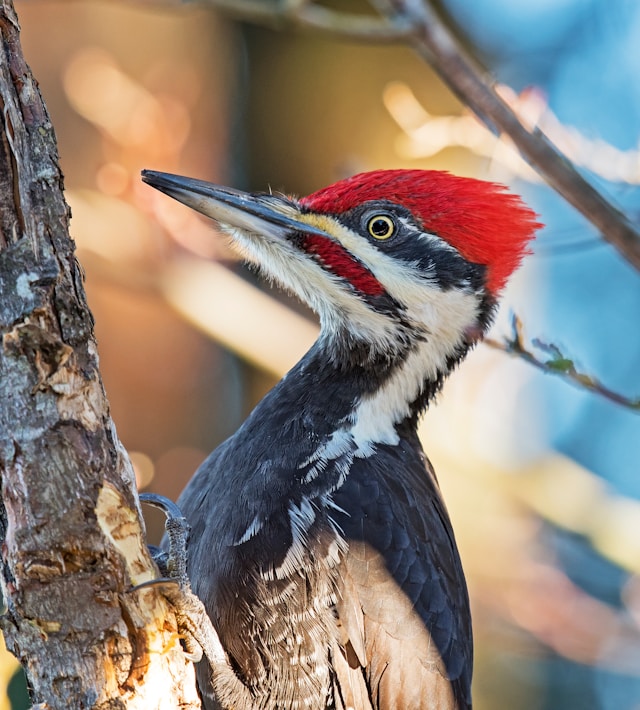
there was a bird with a bright hood
which was a woodpecker
I think
and one flyer a small pigeon to
me
anyway

and there came a squirrel
which did not
scurry anything away
but
picked at the ground with its paws
the ways the birds
had used
their beaks
and
through air on branches
on the earth

so maybe everyone got satisfied
and also
was pleased

thanks
friend
for the chair
the coffee
and the hour
so
I could think
My Lord
what a morning

as fresh sun strikes the trees
and feeding happened
for
the birds and other critters
in metal branches
and what is
tied
all over and on
for gleaning of the sun-rinsing
ground

c l couch


photo by Bill Pennell on Unsplash
words as mystery
(not seconds but minute meaning small)

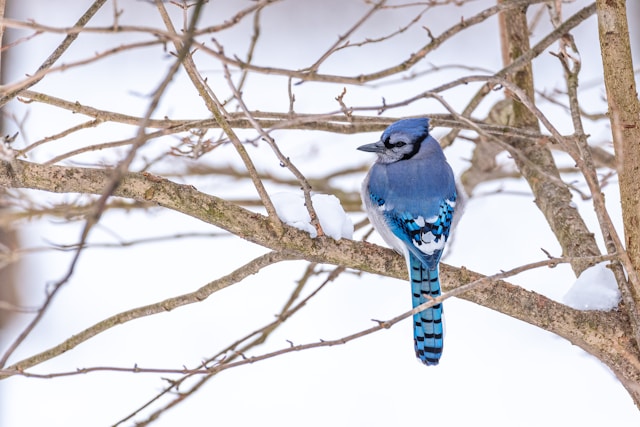
snow
the branches tell
and might
try to lift
to sing
but might have to leave it
not by breeze
but
by the birds

cardinals and blues
that might shake themselves
and
minute by the branches
vibrate anew
by warbling
a song of nature
and to
think of nature’s God

and if Pan
as in the forest of the wind
in
the willows
then Pan shall serve
as well
the setting
shaking trees
the
singing from the colors

joy
the noise of devotion and
of peace

magic
and if magic
then by
God

c l couch


photo by Melissa Burovac on Unsplash
No Birds in Gaza
(from Rosemerry)

An unknown casualty of war
Except for those who know

How nature has
Absconded
Or simply stayed there
To take it
Based on exigence
Of seasons
We think of as
A cycle of life

Demolished
However
Goes the cycle

With reason
That which left
Shall not return

With those who are destroyed
On site
Well
They
Shall go to God
And not come back
To us

So that there’s nothingness
Which is
The cause of war

CLC

https://ahundredfallingveils.com/2024/07/07/at-four-forty-six-a-m-when-i-cant-sleep/


Photo by Boston Public Library on Unsplash

(x = space)
x
x
Partly inspired by “There Will Come Soft Rains,” a chapter in The Martian Chronicles by Ray Bradbury. This part of the story speaks to what is left of us. The chapter’s sad. Nonetheless I often think upon it.
x
x
Sci-Fied
x
Should the bombs fall
And I am atomized
And you
And the insects shall find
Nourishment
Not through flesh
(I’m atomized
so are you)
But through bits of trash
I had not the time
To take our back
x
And shall the Earth survive
To have another age
x
I remember
In the days of Strontium
We said we could
Destroy the planet’s crust
And so leave
The molten mass
The could heave
Or be
Settled down
x
Nostalgia
For a future guess
x
The Earth might have
Its own
As it once held us
There could be bees
And flowers for the bees
Or something
For pollen
So that something could
Pollenate
And there be land
With flora
Feeding
And softening
What’s left of our platforms
For another age
Of Earth
x
Arthropodic
Or could it be with feathers
Things that move
And have their being
Avoiding shadows
Form which
There used to be
Something in charge
Though now
The lesson’s different
This time
The arthropods
And feathered things
Have sentience
And speak gospel
x
While the Earth
In its own way
We never got
Though it was there
Shall smile
x
C L Couch
x
x
Photo by Bernard Hermant on Unsplash
x
(x = space)
x
x
Gospel According to the Birds
x
Books are wonderful
Black tracks across the page
Birds to say
There’s something here
Someone inked our talons
And we have walked on lines
Somehow
And there’s a message
Someone overheard a gospel
Before we were
Put back on our branches
Ancient pens
And when we’re gone
Our larger feathers go to humans
Who are
Surprised by grace
To leave a message
Whispers of angels
Like the ones who took their wings
To guide us
In our flights across the page
x
They take the credit
Though we guess it is their story
More than ours
We need to messages
No gospels
We emerge into life
Knowing how to fly
How to listen to impulses
The small glories
We would never hide
Or cease in all our starts and stops
From praising the creator
You can hear us
Humans
Our song is perfect
Without lessons
Or egos
Or prevarications
x
We could say praise us
In our stories
We know better
Without knowing
We fly
We sing
We know
God loves us
x
x
What is made by birds walking across skin that has a third opportunity?
The answer is a page whose words resemble tracks upon vellum made by animals once alive, whose skin is stretched for a second chance at life, so to say, bearing a story now to offer life for a third time, especially if the story be a gospel.
This is the kind of riddle that literate medieval people enjoyed together, literate meaning mostly monks, the kind who kept texts that had not been destroyed in the fall, thus saving what was left and what could feed into new nourishing, again to say, mostly in Europe a new civilization
The birds talking is not typical back then but my idea now. And Aesop. And Aristophanes.
Sorry, teacher can’t stop chirping.
Old English riddles are found in The Exeter Book, a volume discovered that had served as a coaster and something for impatience to glide a knife into (or why anyone would drive a knife into, along a book). A not-hiding glory to be plainly found, opened, and discovered.
x
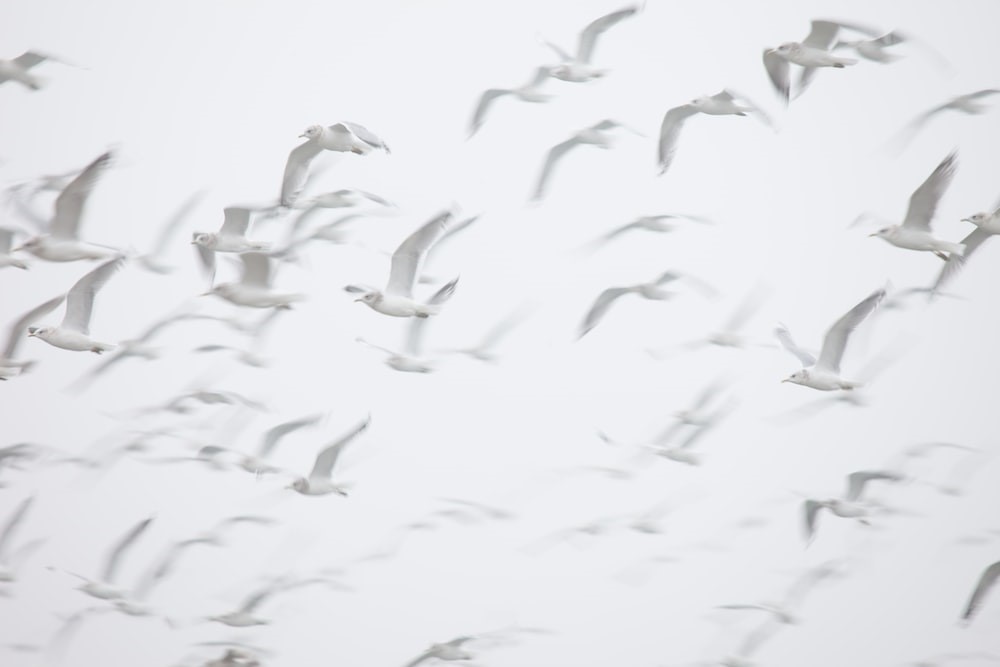
Photo by Mehdi Sepehri on Unsplash
x
(x = space)
x
x
The Thing with Feathers First
x
Birds are odd
x
We like them for their
Feathers
And their beaks
And beady eyes
x
They peck away
For food,
Sometimes for shelter
x
They signal presence
And need
And declaration
In their calls
From their perches
Or flight plans
x
You see,
They know the seasons well
x
If we could listen
We might know more
x
They frustrate and inspire
Our need
To fly on our own
x
We might cherish the colors
Pinned to bodies;
We can make the colors
And so leave
Them on the birds
So we might complement
x
There is obsession
With the turkey
Once or twice a year
Over here
x
We breed them
So they’re not a challenge
Except to cook
And then to carve,
Which others
Might do
For us
x
We say it’s for the birds
Meaning silly
If not stupid
x
We ignore their smarts,
Their networks
On branches and on wires
Not to mention through
The air
x
In folklore,
Birds carry messages:
Bird-banders wonder
What they might be
Telling us
x
Why were we given birds?
As reminders
x
About freedom
In captivity,
The sad and mortal Earth
And those who only know the ground
So well
x
They teach us harmony,
Disharmony—sometimes
The savagery
In talons,
Sometimes the kindness
In community
Even survival
Glowing air
With song
Like litanies
For practicing our allegories
As all the notes rise
x
C L Couch
x
x
“Hope” is the thing with feathers –
That perches in the soul –
And sings the tune without the words –
And never stops – at all –
. . .
Emily Dickinson
x
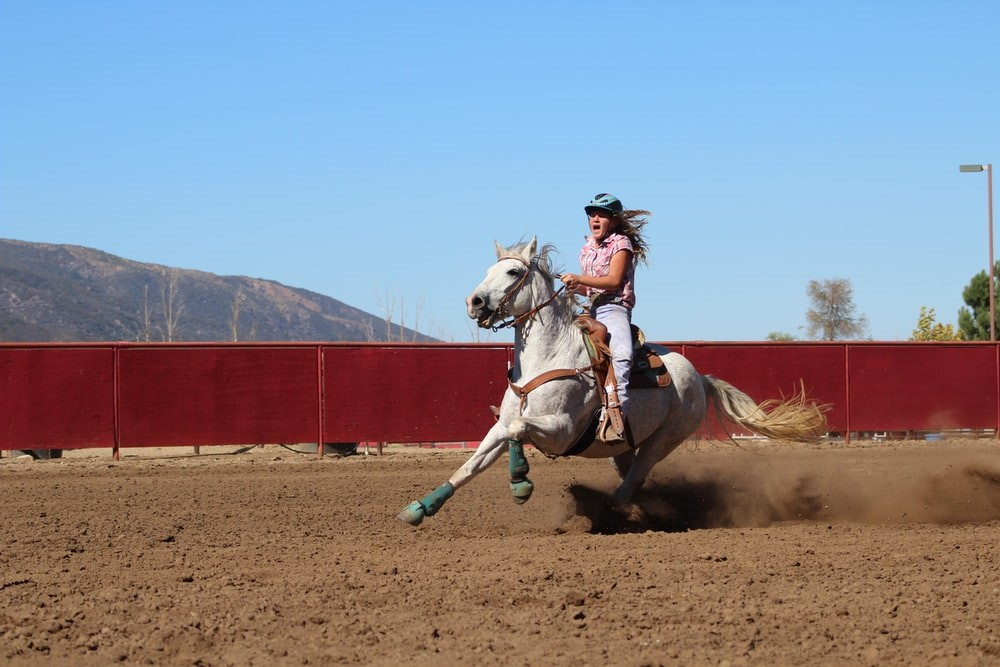
Photo by thom masat on Unsplash
x
(I saw a picture of a flicker in the desert, pecking into a cactus;
my grandfather was a bird-bander for the government)
x
(x = space)
x
x
How They Carry the Good News
x
I’m not sure what I’ll
Write today,
But there will be something
Something about me
And you
God and the whole world,
Which we sing is in
God’s hands
x
I suppose an earthquake
Might mean
That something is slipping through
The fingers,
A flood might mean
Too many tears
x
The birds might carry news
Carried by the wind,
Another agency
x
They hear the talking
In the trees
And what stones say
Between buildings
Some shining,
Some in ruins
x
I guess there are words
From all over Earth
While the moon
Sings in response
And the stars
Oscillate their notes as well
For any
Who are listening
x
Let those who hear,
May—not
With ears
But with supernal apparatus
That repression
Or suppression might affect
But is with us, still
Too deep, perhaps
Though there is
A law of freedom
That
I’ve heard about
x
C L Couch
x
x
“How They Carried the Good News from Ghent to Aix” is a poem by Robert Browning.
x
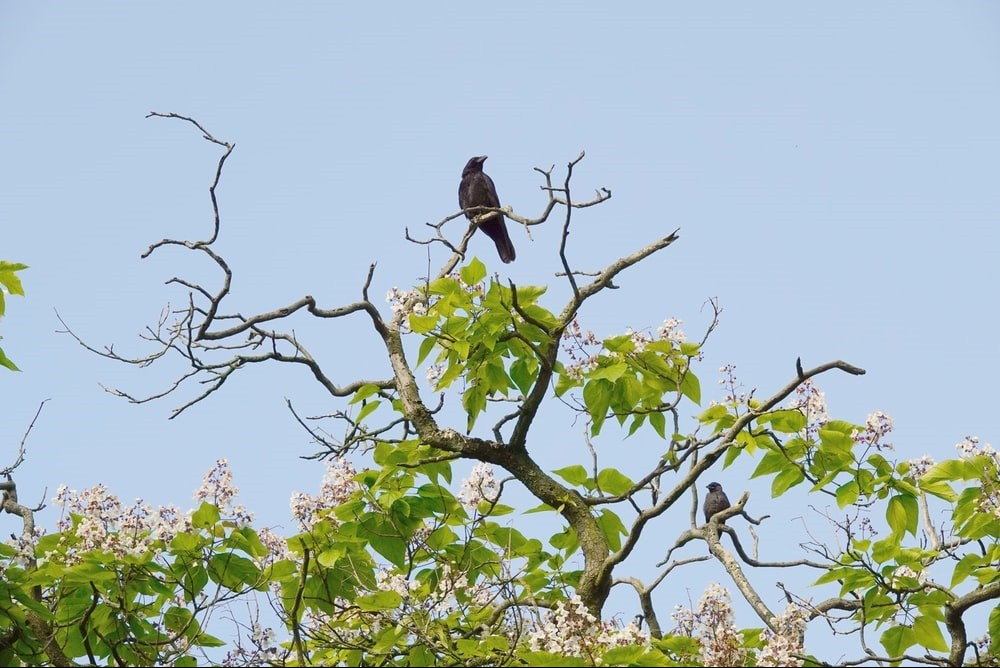
Photo by Christine Benton on Unsplash
At a gymkhana show in Warner Springs. These two make a formidable duo, galloping across the arena and then coming to a sliding stop to make a sharp turn around a pole (out of range to the left). They take my breath away.
x
(x = space)
x
x
Sermons on Leaves
x
One bird makes a small song
Unless a condor
Or a million of its own,
Whatever kind
x
I’m not thinking of Hitchcock
But of Francis
Who preached to birds
Because humans wouldn’t listen
x
In response,
A little bit invested
From each one
Raises the songs of saints,
Reinvesting into land
Then
Traversing through the sky
And now orbiting
x
A song to welcome
Visitors,
Aliens or angels,
To Earth
x
A hybrid song
Is and shows
The way
x
C L Couch
x
x
Photo by Paul Teysen on Unsplash
Nachtegalenhof, Antwerpen, België
x

Slow Glass
The birds are quiet today
The sky is still
Precursors to rain, perhaps
Earlier, I saw a squirrel outside the window
On a lower branch
The animal stopped, gray arches for
Its back and a brushy tail
Turned one way and then another
We, smaller beast and I, looked at each other
For a while
Already out of reach
We could afford to stare
Now we might serve as memories
To each other, through the glass
C L Couch
“Light of Other Days” is a science fiction short story by Irish writer Bob Shaw. It was originally published in August 1966 in Analog Science Fiction and Fact. The story uses the idea of “slow glass”: glass through which light takes years to pass. Bob Shaw used this idea again in later stories.
https://en.wikipedia.org/wiki/Light_of_Other_Days
Photo by Daniel McCullough on Unsplash
 clcouch123
Recent Comments