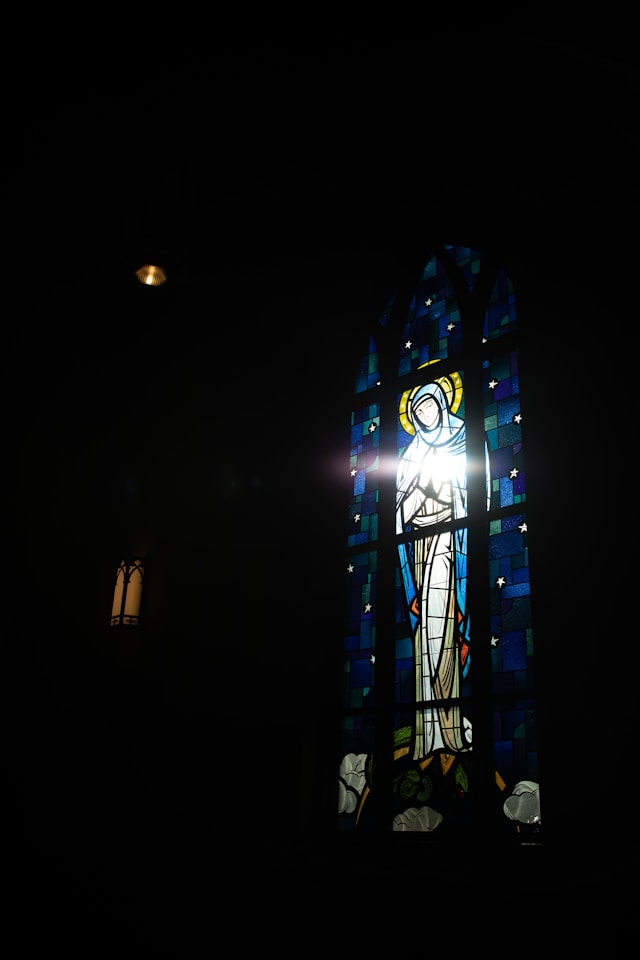
Annunciation school and church

shame
what is the shame
humiliation in
allowing such things to happen
such
awful things
and those who seek to move the world
but
cannot keep children safe
by lesser measures than vainglorious
and is that
it
we cannot say
one cannot say
I did this
and the mountains shook
the seawaves vibrated
by my hand
I pressed my enemies into the ground
beneath the beneath
and
took on God’s role for myself
over heaven
over hell
no
we simply mean to keep our children safe
most of us
that is
to remove the means
for harm
from them and from those
who’d
just as soon hurt them
to let Annunciation
say
these are the children
these
are welcome
we will keep these in the world
and
rise and fall by how we do
to have them in the school for learning
in
the church for faith


at last madness all to own

and
did it say
I hate those Christians
for
what is there to believe in
not myself
only the power I might bear
a little while
‘til I’m caught
‘til my
life is over and what
do I care

this is significance
blood
and flame
I’m like a king
a stupid
conniving
thieving king
a king
of nothing

this is what I am
what I’ve
become
and by such cruelty
and madness
I shall die
only
for remembrance
of them
not who I was
but
what I did
and even then only the loss
and hoped-for judgment
of
the flames

except for those
forgiving
even though I hate the Christian
almost
as much me
then
as I must hate
certainly deny
if not
forget
their God

c l couch


MINNEAPOLIS — Mass was underway Wednesday morning to mark the beginning of the academic year at Annunciation Catholic School when bullets started to come through the glass.
. . . which killed two students and wounded more than a dozen other people, . . .
(MSN)

https://kstp.com/kstp-news/top-news/ways-to-help-victims-of-the-annunciation-church-mass-shooting/
(KSTP)

photo by Jacob Bentzinger on Unsplash

house of affliction

it’s a hard story
and an odd
one
about Lazarus
who died
and Jesus delayed in coming
to the family
while Lazarus was ill

so Jesus was not there in
time
to Bethany

maybe
to heal Lazarus
while alive
and
didn’t we know by now that Jesus could
do this
though now he couldn’t fix
even with mud
or adjuration

because
Lazarus was beyond
even extraordinary healing
but his
spirit gone
the body wrapped and thus entombed

and when
Jesus got there
did he not receive some scolding
for his
lateness
though such comments borne in love no
doubt

and Jesus moved now
toward
the tomb of Lazarus
regardless
and
even though he was warned
away out of
practical considerations of
how might be the body after time
had
passed

but Jesus
as if all could know
was
sad
as if stricken for the life of Lazarus now
gone from Earth

and
we know
Jesus
wept

and then turned from crying
toward
commanding as
he might rebuke the storm at sea
or take on the Pharisees
of the day

ordering the gravestone to be pushed or pulled
away
and then
more stentorian
I think to call
to
shout
that Lazarus should
come out

and
still wrapped
in
shroud cloth
did
Lazarus
appear

and there should be fear
with reason
and then after the certainty of life
the certainty of

joy

and
for those who think
only a God
if God
can return to life
even on
Earth
well
here’s our story
of a human only human who
got to do that

not
to show us how but
to return
and then to show us how

c l couch


John 11

image provided by Europeana at Unsplash

Wollstonecraft

I wonder if
Mary felt she lived between
One esteemed family
And the other
And if she
Felt pleased to be there and contribute
To the two of
If she felt
Maybe also felt
That there was not a place that was
Her own

Elizabeth Barrett
(later)
Evidently needed rescuing from
Robert Browning
And
(later)
Virginia Woolf would argue that a
Room of one’s own
Is needed

But for this
Romantic person
For
The time
But also something else
Who wrote of
Human
Nature especially relied on
In extraordinary situations if
There was
An exploration to of
Of how
Might
And could
If need be
Live in parts

Wollstonecraft
Godwin
Shelley

Some parts extended
Maybe some parts broken off
And then if be like
The cat’s third name
She
Had her secret part
Her own

C L Couch


(Mary was the daughter of feminist Mary Wollstonecraft; Mary was also the wife of poet Percy Shelley—and I wonder who was Mary in between, of both, on her own

and regarding Frankenstein, also I wonder and in this case over who is the monster, who is the monster now)

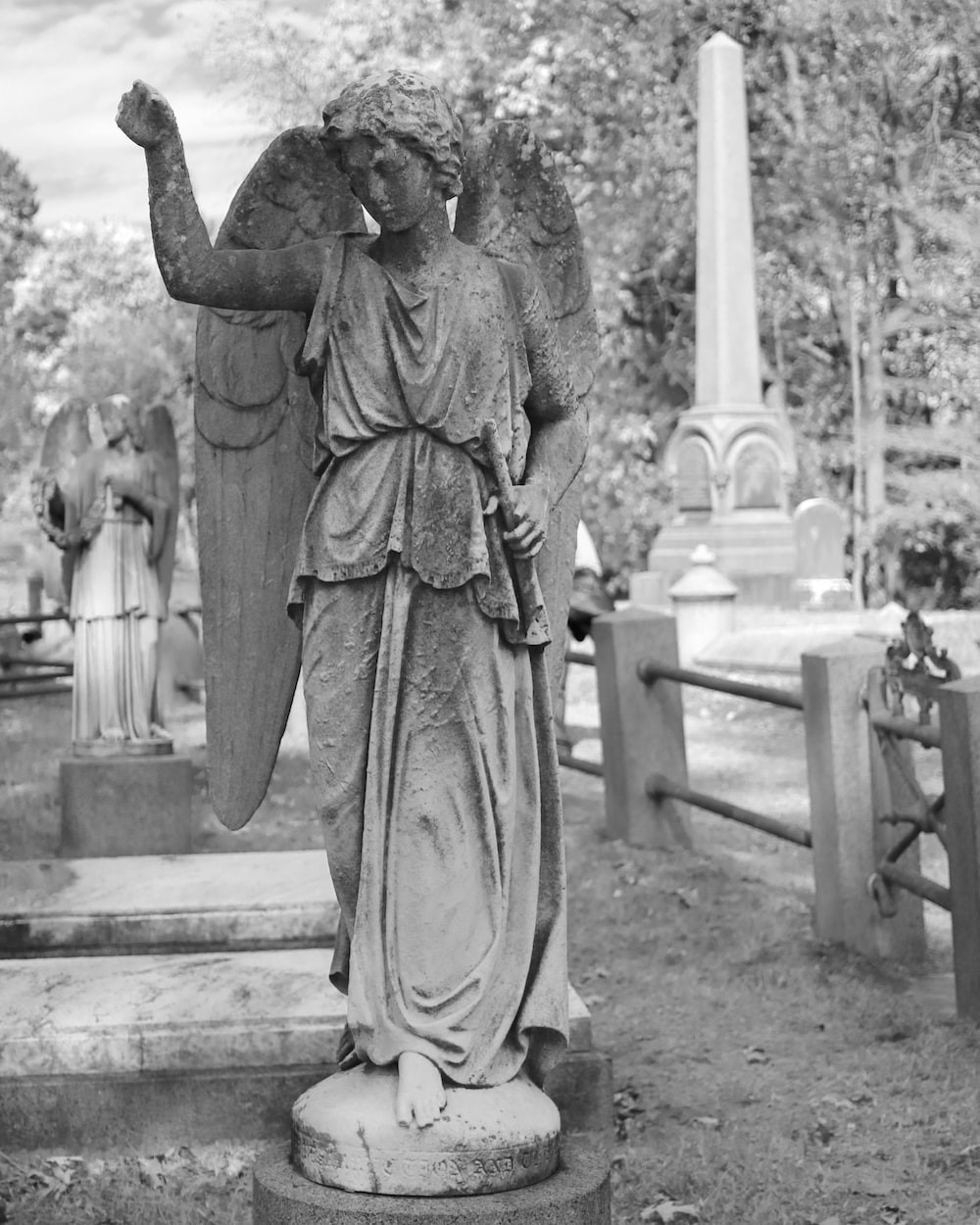
Photo by Branimir Balogović on Unsplash

Time Kept by the Ox and Lamb

Mary nodded
Pa-rum-pum-pum-pum
The ox and lamb kept time
Pa-rum-pum-pum-pum

A wonderful
Metered
And who knows
Maybe jazzy moment
As
We’re talking
Myth
And magic
More imagination
Overall

The ox and lamb
They kept
Time
While the drum was played
By a boy
Not a grown-up
For this first
Time
Not by a symphony

If there were a chorus
One of angels
It might have gone
Pianissimo
Then

Mary nodded
She could have tapped her toes
Or snapped her fingers
Though she was
After birth
And if she had been tired
She might have been tired
Then
And it might have been enough
To nod
As well as Joseph
After the efforts with all things
Arranging
Only nodding
Too

And then at midnight
All the animals
Join in
With voices we could hear
As being ours
Which is the legend
So that there’s magic upon magic
Contemporary
Ancient
Added to the textual lore
For fun
Perhaps
And without doubt
For meaning

And so let all created things exist
Parents
Children
Animals
Imagination and
Stories to tell

To sing
Maybe like animals at midnight
In a tappy
Or a jazzy way
Even a little wild
Like the passing of the Spirit
Through
And for
All things

C L Couch


The song “Little Drummer Boy,” first known as “Carol of the Drum,” was written by Katharine Kennicott Davis, appearing in 1941.

Photo by Carlos Coronado on Unsplash
(x = space)
x
x
Alt
x
Are tombs
Really whitewashed
x
Maybe in a desert place
To keep the heat off
For a while
I don’t know if white
Enhances
Gathering of cool
At night
x
With herbs for scent
And preservation
Added after death
To show devotion
x
I guess we could
Understand
What might have happened
Had the guards cooperated
And helped
The rolling of the stone away
Unless they laugh
At women
Then tell them to
Roll the rock aside
On their own
x
And having gained entrance
Beholding the wrapped body
x
They might need lamps
So that they may work with care
On Jesus
Three days’ dead
And in what state
What condition
In that desert place
And nation
Well
A colony
In an empire
x
And so how brave are they
The Marys
Maybe with friends
Followed by apostles
Also doubt
As it was
From their own
Who didn’t move
On hearing
x
But back (and on) to risk attention
And arrest
For being some of them
The followers
Of the insurrecting one
State-executed
x
And here they are
Near him
The last of him
In sight of soldiers
And maybe other agents
Who paid Judas
Who has disappeared
Now want to quash
All parts
And signs
Every extremity
Of the body
Of this body
Dead in flesh
x
And now the movement
(body in the region)
Gone
Entirely
Execution
Burial
Ridicule
What works
So wins
The devilish
And worldly
Agendas
x
C L Couch
x
x
Matthew 23:26 and verses following
(plus the Passion narratives about coming to the tomb of Jesus, given in the four Christian Gospels)
x
Photo by Foto Phanatic on Unsplash
x

(x = space)
x
x
Eve X
x
I cannot help
But love the evening
Maybe you feel the same
And in the quiet night
A miracle
And it can’t have been quiet
With the mother
And the father
And the animals
And the outside
Night noises
And yet the heart is quiet
Generally
When
There is the birth
To contemplate
In the dark
And after
Maybe
An extraordinary light
That might be candlelight
Or dawn
Or an inside
Sunrise
x
And it could happen
In an hour of
Any Christmas Eve
With apologies to mothers
And to fathers
And to animals
The wilderness
x
But we might need
Silent consideration
Of it all
And then to have a new day
In more silence
Or the noise
Of a wonderful
However illuminated
Day
x
Darkness
And light
Darknesses
And lights
We might need both
To understand
How a birth leads
To eternal life
Because it may
It does
x
C L Couch
x
x
Photo by Remy Gieling on Unsplash
Believer holding candle at evening church ceremony in Paris.
x

(x = space)
x
x
House of Answers
x
Here’s what I can do for him
x
With what did she wash
Anoint
The feet of Jesus?
The story says perfume
And she used her hair
We think to mean
Devotion
x
God was there
God is here
The preacher says it’s so
I agree with the preacher
About this
x
Then I use books and glasses
I can read the variations
x
I can keep these in my heart
Except for this
x
C L Couch
x
John 12:3
x
x
Photo by Christin Hume on Unsplash
x

(x = space)
x
x
Homilies
x
Church tomorrow
Virtual and virtuous
Teaching about Lazarus,
I think,
The one from Bethany
Who with his sisters
Was a friend of Jesus
Having hosted him
x
Then Lazarus
Gets sick
Or something
Like that happens
Because he’s clearly dying
And the sisters
Contact Jesus
Who delays in coming
Then their brother dies
Martha comes to Jesus
Speaking words
Of faith
While Mary cannot move
It’s all right, Martha
Jesus says
I know it is in heaven,
She replies,
When I shall see Lazarus
Again
Yes, and I mean more
Than that
Mary manages
To say something
Reproachful
And then Jesus goes
To where their brother
Lies, wrapped and
Spiced in burial
x
Take away the stone
Lazarus, Come out!
Jesus commands
And Lazarus emerges
From the dead
Into the living
Into his sisters’ lives
Again
x
There is a meal
Mary breaks a bottle
Of perfume
And with the oil
And the scent
Bathes the feet of Jesus
Judas reprimands her
For wasted expense
Jesus turns on him
As only love can turn
Teaching him about
The poor
And when it’s all right
To be rich,
Say, when we’re
At the feet
Of Jesus
x
C L Couch
x
x
John 11, first part of 12 (in the Christian New Testament)
x
Photo by Bruno van der Kraan on Unsplash
x
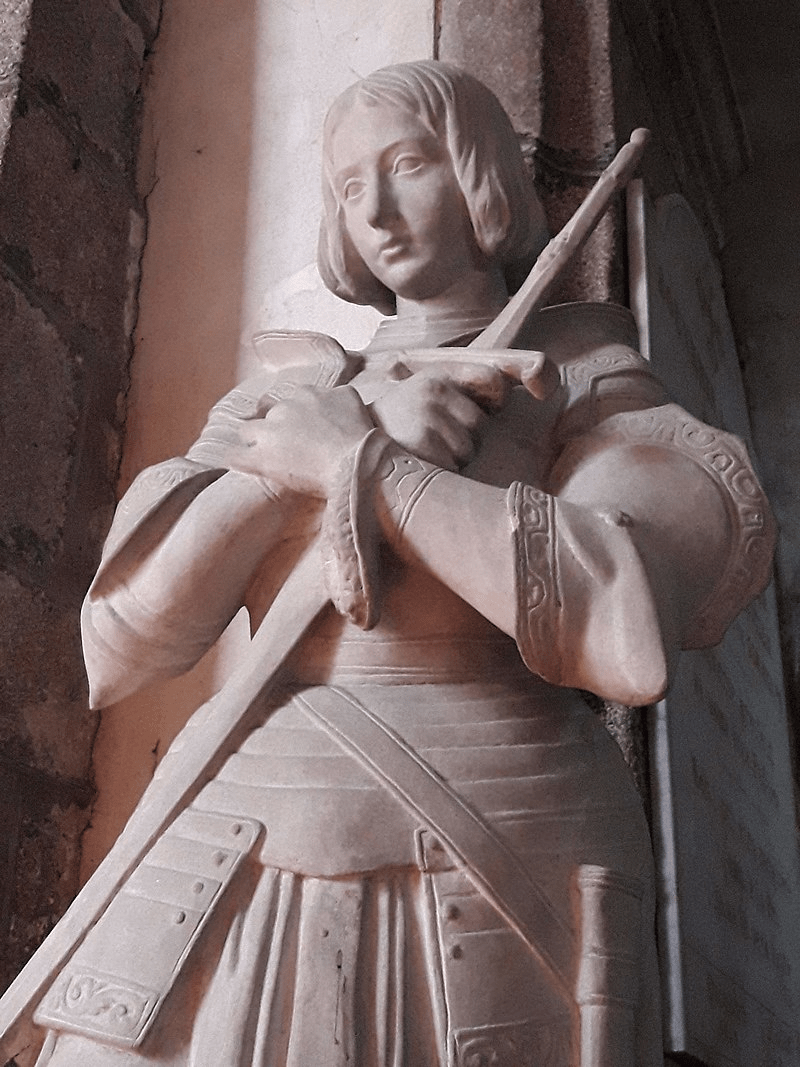
Devotion
The cult of Mary rose
Because chivalry needed an aim
And the grail was not enough
A lifestyle was needed
A reason for the knight to rise, go
After dragons every day
In every breath a reason
That became the lady
It could have been a good thing, I suppose
Maybe was
Maybe some curtailing of violence happened
But she became an object, still
Mary and all women
Something to adore, perhaps
Something to report to,
Still a thing
If women could be knights
And, who knows, they might have been
They might have taken it up with her
A real reason, real cause
Not dragons but equality
Real beasts to slay
A crusade not against western Asia
But with one’s own country
Until one’s own had real faith
In strength
And in conviction
The kind that makes sense out of armor
That gives a blade a reason
To be shined and ready
Humanity
Divinity
Belief in everything that shines
And lasts
C L Couch
The 12th and 13th centuries saw an extraordinary growth of the cult of the Virgin in Western Europe, inspired in part by the writings of theologians such as Bernard of Clairvaux. The movement found its grandest expression in the French cathedrals, often dedicated to “Our Lady”, such as Notre-Dame de Paris and Notre-Dame de Bayeux among others.[70] Walsingham and other places of Marian pilgrimage developed large popular followings. At the height of the pilgrimage movement in the 11th and 12th centuries, hundreds of people were traveling almost constantly from one Marian shrine to the next.[71]
70 Department of Medieval Art and The Cloisters. “The Cult of the Virgin Mary in the Middle Ages”. The Metropolitan Museum of Art.
71 Renaissance and Reformation by William Roscoe Estep 1986 ISBN 0-8028-0050-5, page 7.
https://en.wikipedia.org/wiki/Veneration_of_Mary_in_the_Catholic_Church
Joan of Arc (French: Jeanne d’Arc[3][4] pronounced [ʒan daʁk]; c. 1412 – 30 May 1431),[5] nicknamed “The Maid of Orléans” (French: La Pucelle d’Orléans), is considered a heroine of France for her role during the Lancastrian phase of the Hundred Years’ War, and was canonized as a Roman Catholic saint.
3 Her name was written in a variety of ways, particularly before the mid-19th century. See Pernoud and Clin, pp. 220–21. Her signature appears as “Jehanne” (see www.stjoan-center.com/Album/, parts 47 and 49; it is also noted in Pernoud and Clin).
4 In archaic form, Jehanne Darc (Pernoud Clin 1998, pp. 220–221), but also Tarc, Daly or Day (Contamine Bouzy Hélary 2012 pp. 511; 517-519).
5 An exact date of birth (6 January, without mention of the year), is uniquely indicated by Perceval de Boulainvilliers, councillor of king Charles VII, in a letter to the duke of Milan. . . .
https://en.wikipedia.org/wiki/Joan_of_Arc
after Marie d’Orléans – Eglise de Saint-Pair-sur-mer
Prokofiev – Own work, CC BY-SA 4.0, https://commons.wikimedia.org/w/index.php?curid=74909310
 clcouch123
Recent Comments