you, the season, and the Bible (3 poems)


the Tuesday verse

it’s Tuesday
how
are you

well
I hope
and
if not on your way toward
becoming well

and more

I don’t know what kind
of day you’ll have
today
maybe one of actual prosperity
or
to refine only
hope for
more

maybe there will be peace
this day
though there might be conflict
just
as well

the world as it is
we know

here it happens to be
raining and it’s
cooler

it might be raining where you are
as well

as
it falls near
everyone
even in the desert now
and
then

a happy Tuesday to you
and we try to raise our thoughts
toward
a Wednesday with
an even
better view

maybe weather
notwithstanding
or
altering


the longest day

the solstice is approaching
Midsummer
or
Saint John’s

and then the days grow shorter
though it’s
summer
and we think if in irony of longer
days

relish
in fact
the light of day that lingers as a cue
for picnics and vacations
or
simply to take in
because of the gradients of
blue
and then
the stars appear to dance

to twinkle through the atmosphere
at least
in the summer hours we have

which
will grow longer for them

maybe in the dark of only this time
of year
we’ll also think of kick-the-can and
capture-the-
flag


time and talent

Jesus wept

the reputed shortest verse
though
it’s a matter of numbering and syntax
of translators

and
then getting by the editors in
the inspired process

and maybe new translations
paraphrases
challenge other parts for that epithet

say
to write in Genesis
God made

or maybe to try
only
God


c l couch


photo by Wenying Yuan on Unsplash

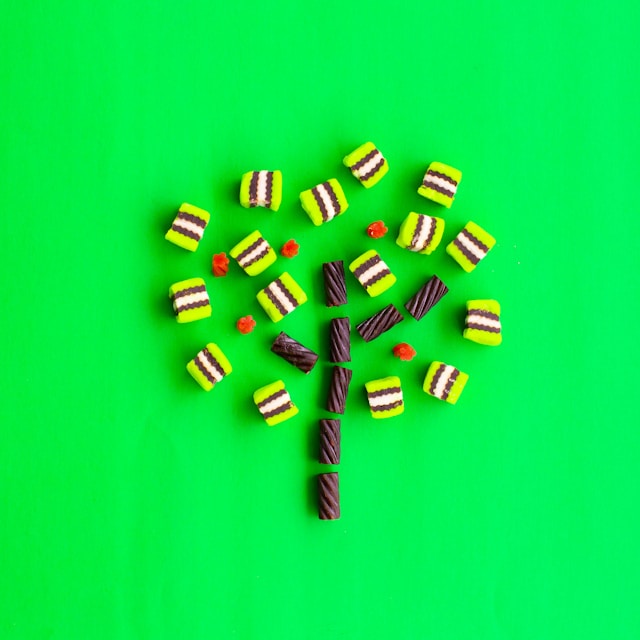
good and plenty
(not that I’m a fan of licorice)

God is good
and God is here

we reach out
to God
while we are here
wishing ours were better
when it’s
not

and also taking time
and sharing words of thanksgiving
for part of that
good
we have

and life goes mingled this way
even
with the Lord
and we persist in this adulterated life
because we should and is
our impulse to go
on

not
to wish ourselves to heaven
way before it’s time
or
whenever
the surprise to know

with
sadness left behind
while on the way toward joy in paradise

and this
is how it goes
as well
a mingled afterlife

and
not
to say this life is a rehearsal only
for it’s not

while it is for what comes after
it is its own
for dreaming and for realizing dreams
with
accountability along the way

so if frustrating
not
to have virtue instantly
rewarded
there is nonetheless
far-down peace that rises
through our flesh and to
our eyes
and mouths

to exude and share
what
we might know of lasting joy
that like the class activity to tell and
show

even the love of God and love as God
on Earth

c l couch


(allusion aside, the candy licorice fan would be my sister)

photo by The Nix Company on Unsplash
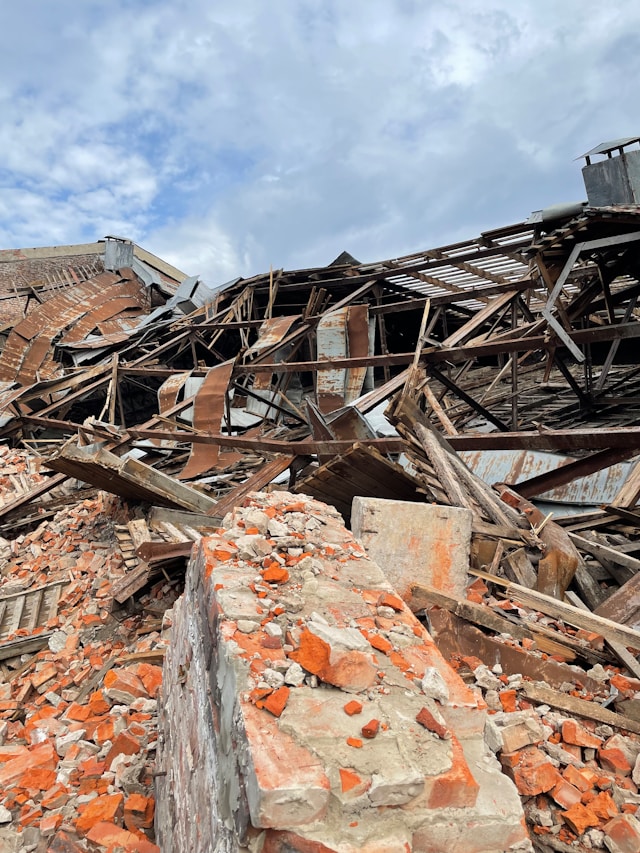
breaking the accord
global nuclear restraints
new escalation


IDF strikes Iran
Iran strikes back and that’s war
long suffer the age


civilians live
or live not seemingly random
injudicious thief


c l couch


I don't know by tradition about haiku being topical.  But I've wanted to work at the form once a week, and I can't help but think and feel about what's happening on Earth.  And elsewhere, when it's elsewhere.  I mean for the haiku to stand alone, though clearly I think they're also related.

photo by Anzhela Bets on Unsplash

The building of a cinema and youth center in Chernihiv, Ukraine that was destroyed by an aerial bomb in March 2022 .

after some hours at this today

it’s darkened
I should go for another light

the close work has
made my eyesight blurry
too

and my lower back from bending over
well
not blurry
well
maybe
as pain might haze ambition

and I have said
and say
all kinds of things
in
other verses
though the moralizing’s heavy
maybe
from blurriness and pain

sigh
what should you like to hear
not
to curry
necessarily
but
to meet and interest or a need

you know that God is love or should
since the message is
ready enough
available

do you know that you are love as well
or at least have it in you
to carry outside
to
have your life better
and the world
too
so small at first

and then who knows how
wide the circles go

and you might be close to all this
as well
catch it when you see something land
on the smooth water of
a pond when
still
or other
water

maybe it’s the gospel of the small
that isn’t nearly big enough
realizing
the inevitable

the practice we don’t get away from
or
even the accountability

that
the word
the act
change things from ourselves to the world

no
matter what we’re told we matter
in this way

and so do small good
a motto
how about a bumper sticker

or what to adhere to our hearts
(I have a machine
inside
that might have
a sticker-place)
not
because the words are mine
but that they’re wise
regardless
and promise for the Earth
what should be healthy things to say
and
do
for a change
(hale
changes)

c l couch


photo by Amy Humphries on Unsplash
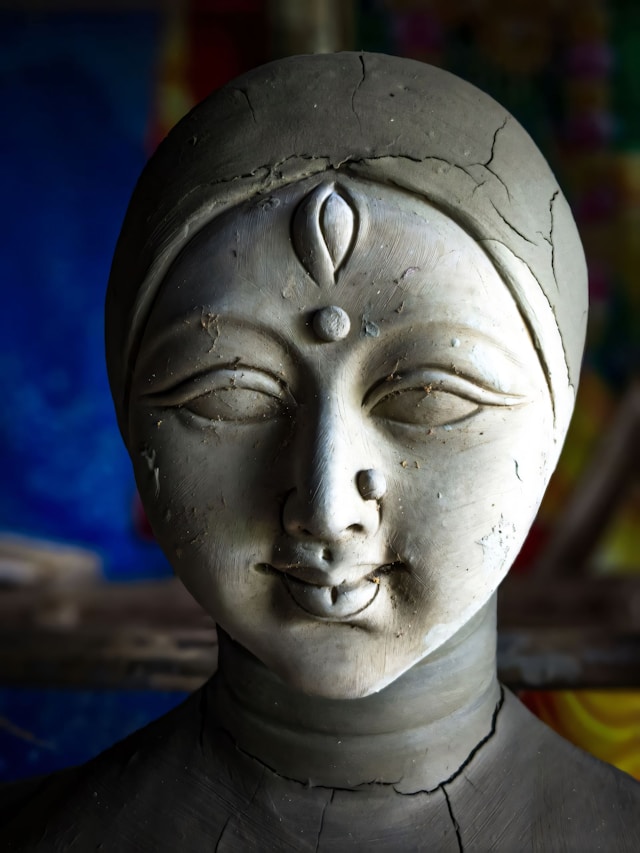
depiction

how in reacting
to
the one depicted

as
what do the sightless
see
to ask

and might be told
of certain
shapes
and hints of light

maybe what is seen when
the
typical
close eyes

then ask what else
what more
if
one or more
should please to say

of what is visioned by the mind
what
and how of thought as
well as how one feels

and is there more of more
with what might be confessed
of what is heard
in
closer hearing

if then
closeness to transcendence
or
as human as any
what is
seen
unseen seen
of any

to learn from as from
any
sense-challenged
about need
as well as what
to gift
of all

c l couch


photo by Gopinath Mohanta on Unsplash

I was looking for an image to go with something else and came across this photo of a sculpture--a hint of eyes yet more so seeming blind to me--and, soundly or poorly, I kept thinking on it
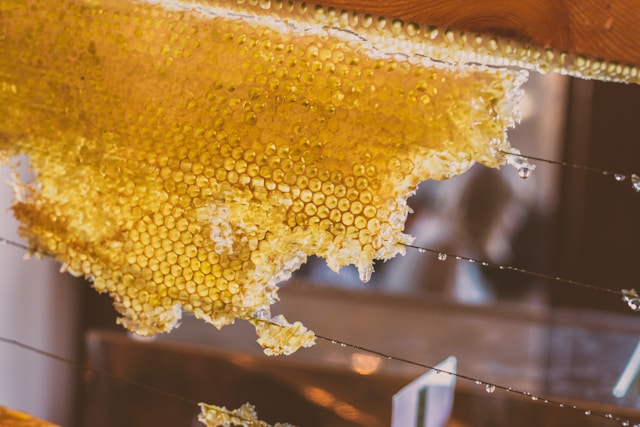
stuffed clouds like stuffed bears

tut-tut
and
well
Christopher Robin knows

and a blue or green balloon selected
and a mud-caked
bear
attached to string should rise
up in the air
to
find the hive

and do
stuffed bears get stung
or is the lack an
asset
in the Hundred
Acre Wood

unstung
good for a bear and
for
a child
and
I’d think good for bees in there as well

c l couch
(named for C Robin)


photo by Jez Timms on Unsplash

golden ruling

must one believe
in order to appreciate
even
to have
a sabbath

there have been laws to secure
weekends
and public mores
if eroded with
work
the busyness of virtue
and so we always have to prove we’re
at it
or are breathing only
for a moment

laws about that
too

the fullness of life
it seems
or as defined by someone we don’t know
must have hard edges
justified for
pay
and even neighborly acceptance

be seen to cut the grass or
not
to stay out late
too late
whenever that should mean

though we have work
and work is
paramount

live to work
the verse that we know
too
and yet eschew if with some longing

work to live

it’s a puzzle and a challenge and an expenditure
and could we really see and have
the thirds
of work
of sleep
of life that is neither work nor sleeping
	that we get
	to define
	and maybe have some say
	in all the rest

or is it safe to question and prioritize
shall we keep our jobs

I hope so
as in
twenty-four we get with
maybe threescore and ten and we think
it should be
longer

and it should

and so let life be good with all
the parts
with liking throughout
not
without challenges

and if
really possible
meaning worked out and on
we could let love
course through all
like
	if you’ve seen
gold currents in
kintsugi

c l couch


photo by Jr Korpa on Unsplash

stuckpoint

do you get stuck
sometimes I do

and how hard is it
to move away

though sometimes
I stay there for a while

a place of excuses
justified

yet maybe an honest break
is called for

and then a ridge or a wall
or other barrier

maybe not so tall
to cross

but must be overcome
to get back out again

ever feel this way
sometimes I do

and if I parse myself
and we can do this

then part of me might
stay here for a while

and so the rest of me performs
or tries at least out there

c l couch


photo by Ben Hershey on Unsplash

XL

it’s
well
it’s Sunday
and I could think Sunday thoughts by
Protestants and
Catholics

Anabaptists
independents
too

and what should be such thoughts
but an affirmation or a search
for
a belief
affirmed by what is formal
even with authority
though
from a voluntary organization

we may join
or
leave

or maybe we wander
while the sermon
(sorry
sermon
sermon’s sermonizers)
or
while the body is at prayer

our own
thoughts that could rise as prayer
as
Claudius agonizing
formulizes
though admits he cannot follow

or
before or after
or
without

what is an honest asking
an appraisal of anything there might be
more
then us

since we’re in this casing
sensing outward
to
whatever
and often the flesh fails if only
in parts for
a while then
well
all

what
is it
who is it
where
and how
and maybe if we answer these
or someone does
we might know
a why as well

and well the kind of well
that Julian
describes

and is the bird a spirit
and is there spirit in the wind
or in the floor of plants or
far
below

and if so
should we not be worshipping outside
as
am many are

and what of our own
the thing that moves the
flesh
by what’s inside

that is the foundation for our feelings
then thoughts upon
the feelings
then
everything expressed or otherwise
let go

and
yes
finally
let go

so
yes
Sunday thoughts
be in church or at temple or
obeisance in a mosque

whatever holy place
with
holy resources

and on one’s own or with
our trusted
to explore and figure things as far
as we might go and
with
the ministry of small things to keep us
going
at least hospitably
all
the time

c l couch


Hebrews 12:1
Therefore, since we are surrounded by such a great cloud of witnesses, let us throw off everything that hinders and the sin that so easily entangles. And let us run with perseverance the race marked out for us,

Hebrews 13:2
Do not forget to show hospitality to strangers, for by so doing some people have shown hospitality to angels without knowing it.

(NIV)

Hamlet and Saint Julian of Norwich are alluded to as well

photo by Shane Rounce on Unsplash
 clcouch123
Recent Comments