Ontology
I don’t know, God
I know you love us
It’s all the rest that can confuse me
Why there is great truth
In nature
We refuse to understand
While we destroy it
Learning nothing but that dollars
Speak not a greater truth
But noisier
So I guess you could say it’s all on us
And we are responsible
But we can also credit you with making us
Why did you do that,
Why are we as we are?
We can build
And then tear down
We leave artifacts
That we refuse to learn from
We love clear days
Then smoke them out
With factories and war
Factories to make the war
Viable
Not to mention all the vehicles
We could not pass a law
That says what we make cannot
Destroy us at the same time
Let alone with Earth
I know I go off on things like this
But, really, what’s the point
In planet Earth
If we destroy her?
Wisdom is a woman, too,
In a number of traditions
But men are made to ignore women
Treating them like other
Resources
My, don’t they have it wrong
All of it
So what’s the answer, God
I’m sure there is an answer
Before it’s all a cynical taking
Climbing on each other toward
An artificial peak
Without wondering what we leave
For children
So they’re left to be like us
Or rebel to find another way
I don’t think I’ll blame them
When they do
Maybe our agenda has been
To build another Babel
One structure, one language, one power
Over all the Earth
Determined by us
Goodness, I would hate that
And so would anyone who delights in
Diversity
We made kaleidoscopes
Maybe we should look into them more often
Prismatic colors
Ever-changing order
Not anarchy but beauty in
The light you made
You make
I suppose if we asked to be
People of light
A new adherence to your making and
Your teaching,
Someone would try to pass off some darkness
As the light
Where is your justice, Lord?
We need it and can’t manage it, ourselves
Isn’t there a great mediator, even here
On Earth, among ourselves
Within?
I remember now, it’s love
That I learned in church, even if churches
Forget, hiding agendas instead
Some learn, anyway
And live it so much better than I
These are the ones I need
The ones who live in love
Not perfectly
But persistently
We need these people, God
The ones who love
With strength and practicality
Because it’s the better reason
For taking the next step
Show us love, Lord
And those who love
The real strength
The foolishness in the world’s eyes
While it digs and flies and wends
Its way toward hell
Each day until the last
But it can’t be for fire of hell
Or fear of it the reason
Love must be embraced
Because it bests fear
Because in the embrace
We see, as sometimes on a clear day
You are there
The God who made us
Allowed the serpent, too
Who gives changes over ages
For all of us to turn our will at last
Toward you, into you
Below, above
In better places
And the worst
No peak too high
No pit so deep
But you are there
You gave us will
How about we return it
Using it to do so?
That might be the final irony
You’ve been waiting for
Maybe then we’ll understand
Apocalypse is love
C L Couch
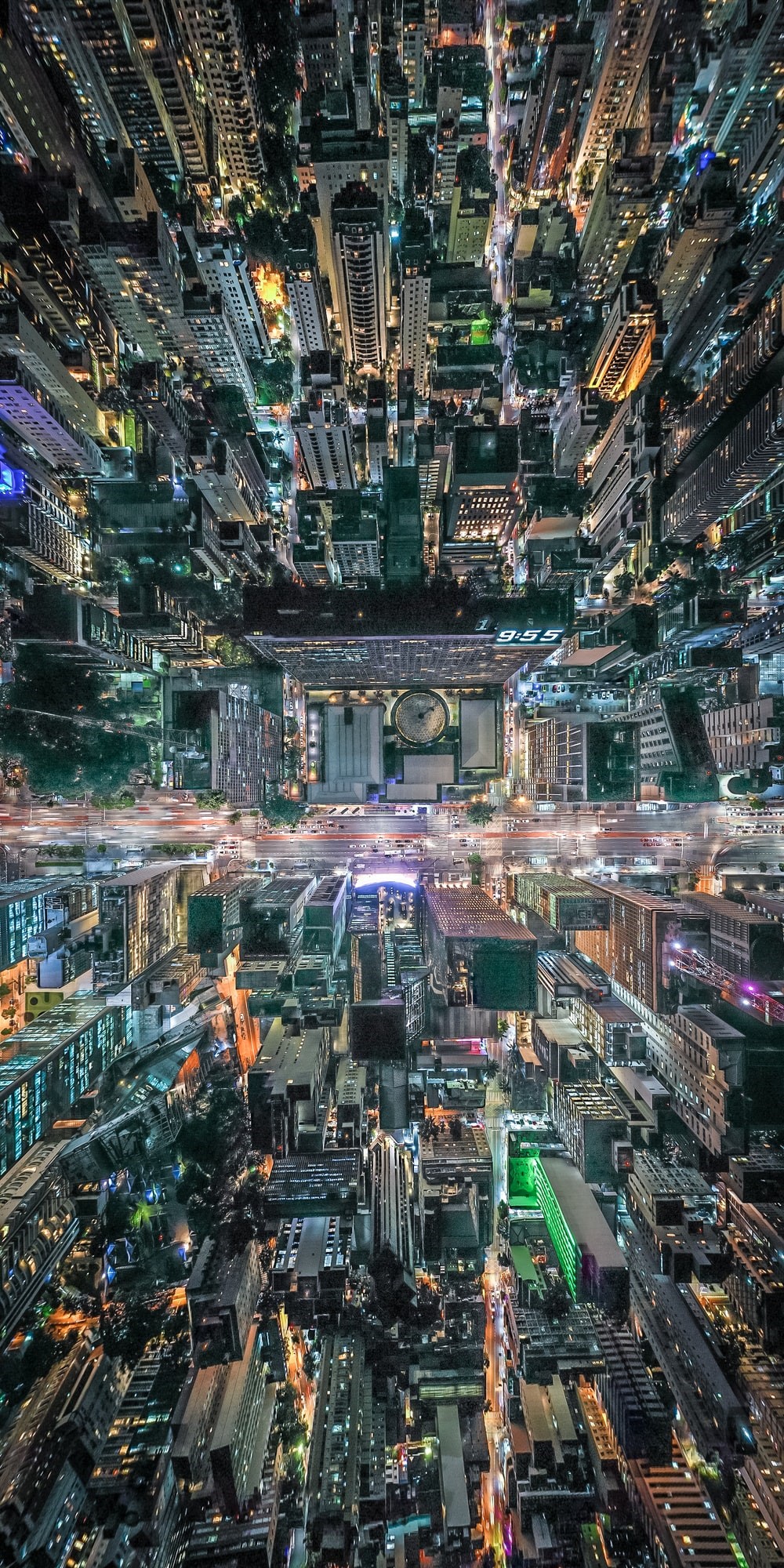
Photo by sergio souza on Unsplash


 clcouch123
May 20, 2020 at 4:48 pm
So Christopher is their hope for us? We certainly are an enigma. Are we moving forward, a little at a time, or are we regressing? I like to think that we are moving forward. I like ‘ climbing on each other towards an artificial peak’. I interpret that as our mad daily scramble for existence, consuming resources and trying to get one leg up the ladder of our civilization. A thoughtful poem as always Christopher.
May 21, 2020 at 2:06 am
Thank you, Len, for your responses. I like your interpretation of the “mad daily scramble for existence, consuming resources” in order climb, which is I though the peak should be artificial. It’s a reasonable question, and I do think there’s hope. My folklore professor in college once drew a number of arches, equal in size, whose start-and-stop points overlapped. She was making a point about the rise and fall of civilizations. I took the illustration and in a paper made each arch a little higher than the one before, meaning that each age maybe moves humanity a little higher. She liked my adaptation of the image, because I think she wanted to believe in hope as well.
May 21, 2020 at 1:30 pm
What a wonderful poem, Christopher. So many perfect images and questions posed. What will become of us and our earth and our children? Most of all our children? People climbing, ever climbing, for power, for money, for greed, and doing what, in the process, leaving the world in ruins? I fear for my children, who are young adults now but already struggling in this corrupt and damaged world. Sometimes I really hope they never have children themselves, if this is the world they will live in. Unless they can change it, as you say: “rebel to find another way.” I love the part about seeing the world in prismatic colors; I too love diversity and cherish it. I would hate a world with one power, one language, one culture. I lived in China and S. Korea for a year each, and I hated those cultures not because of their foreignness but because of their utter lack of diversity. Everyone looked the same. I couldn’t wait to come back to the U.S. where I could see people of every color, every religion. We’re so much richer for that diversity, which people seem hellbent on destroying. Your poem is long, and says so many things, but my comment is getting too long, so I better stop! 🙂
May 21, 2020 at 8:34 pm
Thank you for response, Cathy; it is rich. A needful kind of wealth. I’m afraid that people too easily become platitudinous when it comes to the future of the world and what we leave our children. In the first half of the twentieth century, there was the working belief that parents were going to leave a world and a life better for their children. Since then, that widespread conviction has eroded, though of course good parents and good leaders and good people, overall, want children to exceed us and want them to have a world in which that’s possible. Climate change, though, threatens the planet while resurgent despotism threatens freedom. Profit and power should not be bad things; but we–well, certain people–have made them into convenient evils. I have hope in the ability of people still to say no and stand together to change things.
May 23, 2020 at 8:36 pm
I hope so too, Christopher. Your poem is ultimately hopeful, I think, and we must hang on to that hope for improvement and change.
June 20, 2020 at 7:25 pm
Apocalypse is love… Interesting thought! God giving us the freewill to destroy ourselves… seems we are doing a pretty good job of that these days!
June 20, 2020 at 10:49 pm
For Christians, the Apocalypse means the final victory of faith in the appearance of the Lord. I know the language of Revelation is often violent, though there is something comfort and assurance in there, too. Actually, a lot that is. The fear of end times is misplaced for believers. I know less about how other faiths or agnostic to no faiths perceive the last of things. But notions of paradise and companionship with God or a blending with the divine or a humanistic triumph are not exclusive. Sigh, I wish everyone would ease up on the battle language. If Armageddon happens, then it happens. But there’s so much more to consider, even prepare for.
Sorry, I’ll get off my soap box now (why is it a soap box?). Thank you for your thoughtful responses and for reading my work at all. I’m enjoying yours.
Happy official start of summer!–Christopher
June 20, 2020 at 10:50 pm
:>)